Understanding Stainless Steel Wall Surface Trunking
Stainless steel wall surface trunking is a type of conduit used to protect and manage electrical wiring and communication cables within a building. It functions as a protective casing that not only allows for the safe routing of cabling but also ensures that any maintenance or modifications to electrical systems can be performed conveniently. The utility of trunking systems extends across various industries, including commercial buildings, manufacturing plants, and data centers, where efficient data and power distribution is crucial.
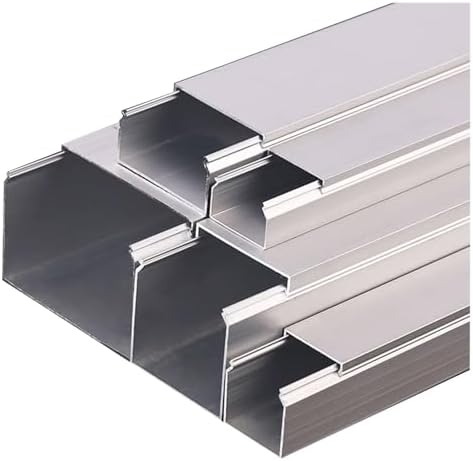

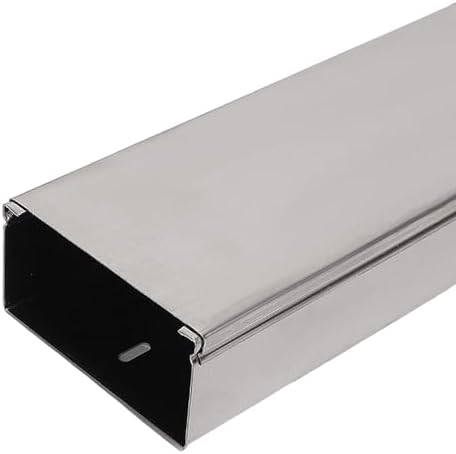

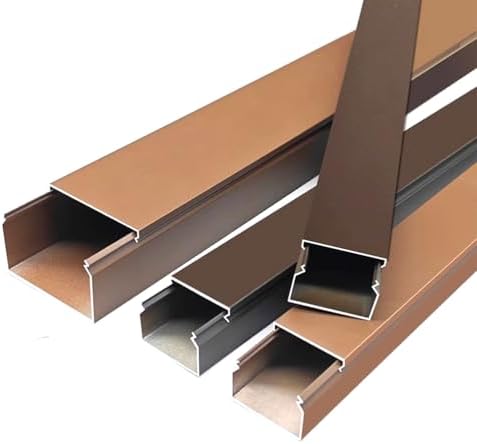
One of the primary advantages of utilizing stainless steel for trunking is its remarkable durability. Stainless steel is known for its ability to withstand environmental factors such as heat, moisture, and corrosive substances, making it an excellent choice for both indoor and outdoor applications. Moreover, its corrosion resistance is particularly beneficial in industries where exposure to harsh chemicals is common. Consequently, stainless steel trunking can provide a longer lifespan than alternatives made of plastic or other metals, ultimately resulting in cost savings over time due to reduced maintenance and replacement needs.
Aesthetic appeal is another attribute of stainless steel wall surface trunking that should not be overlooked. The sleek, polished look of stainless steel can enhance the overall appearance of a facility, making it a popular choice for modern architecture. This visual benefit is coupled with the practicality of easy cleaning and maintenance, as the surface does not retain dust or grime as easily as other materials.
The market offers various types of stainless steel trunking, each designed to cater to specific needs. For example, some trunking systems feature hinged covers for easy access, while others might come in modular designs, allowing for flexibility in installation. Understanding these options enables buyers to select the most appropriate stainless steel wall surface trunking for their specific applications and requirements.
Factors to Consider When Purchasing Stainless Steel Trunking
When purchasing stainless steel wall surface trunking, several essential factors warrant careful consideration to ensure optimal performance and value. Firstly, one must assess the size and design requirements of the trunking. This includes understanding the specific dimensions needed to accommodate the electrical cables or wiring systems that will be housed within the trunking. Proper sizing is crucial, as it not only impacts the functionality but also ensures compliance with safety regulations. Additionally, the design should cater to aesthetic preferences as well as operational needs, blending seamlessly into the environment in which it will be installed.
Compatibility with existing electrical systems is another critical factor. It is vital to evaluate whether the trunking can support the particular set of cables and connectors you plan to use. Incompatibility might lead to performance issues or be a safety hazard. Furthermore, it is necessary to address the load-bearing capabilities of the trunking. Depending on the application, you need to ensure that the selected trunking can withstand the weights and forces it may be subjected to over time.
Cost considerations are equally important in the purchasing process. It is advisable to establish a budget that accounts not only for the initial purchase of the trunking but also for installation and ongoing maintenance costs. Often, opting for a lower-priced option may result in higher long-term expenses due to poor quality or premature failure. Hence, prioritizing quality and compliance with industry standards whenever selecting a supplier is crucial. This due diligence ensures that the trunking will meet safety and performance demands, providing peace of mind throughout its intended lifespan.
Where to Buy Stainless Steel Wall Surface Trunking
When it comes to purchasing stainless steel wall surface trunking, buyers have the option of choosing between physical hardware stores and online retailers. Each avenue has its advantages and potential drawbacks, which can influence the purchasing decision.
Physical hardware stores are ideal for those who prefer a tactile shopping experience. They allow customers to inspect the quality of the trunking firsthand and speak directly with knowledgeable staff who can provide recommendations and answer any questions. Additionally, customers can often take the product home immediately, avoiding shipping delays. However, the selection at these stores may be limited, and prices can vary, so it is advisable to visit several locations to compare options.
On the other hand, online retailers offer convenience and a wider selection of stainless steel wall surface trunking. Shoppers can quickly browse multiple suppliers and compare prices without leaving their homes. Online purchasing also allows for easy access to reviews from previous buyers, which can inform the decision-making process. Nevertheless, the downside to online shopping includes the inability to physically inspect the product before purchase and potential shipping costs or delays. Furthermore, it is crucial to ensure that the online retailer has a good reputation for customer service and provides clear warranties and return policies.
In order to ensure a positive purchasing experience, it is advisable to shop around and evaluate both options. Look for reputable suppliers who offer a balance of competitive pricing, good customer service, and favorable return policies. By taking the time to research and compare, buyers can effectively locate stainless steel wall surface trunking that meets their specifications and budget. This will ultimately enrich the overall purchasing experience.
Installation and Maintenance Tips for Stainless Steel Trunking
The installation of stainless steel wall surface trunking requires careful planning and execution to ensure a secure and aesthetically pleasing outcome. To begin, gather the necessary tools, which include a measuring tape, level, screwdriver, drill, and appropriate fasteners. Before you start, assess the installation site for any obstructions or wall irregularities that may interfere with the trunking. Accurate measurements are crucial; measure the desired lengths for the trunking and mark the wall with a pencil to guarantee straight lines.
Next, prepare the wall by ensuring it is clean and free from dust or debris, as this may affect adhesion. If applicable, install any electrical wiring or cables that will reside within the trunking before proceeding. Follow these steps for installation: align the trunking with the marked positions, using a level to ensure it is straight. Secure the trunking to the wall using the recommended fasteners based on the wall material; wall anchors may be necessary for drywall. If multiple sections of trunking are being installed, ensure consistent alignment and consider using connectors to create a seamless appearance.
Maintenance of stainless steel trunking is essential for longevity and performance. Regular inspections should be conducted to identify any signs of wear or damage, such as corrosion or loose fittings. Cleaning is equally important; use a soft cloth and mild detergent to maintain its polished finish while avoiding abrasive cleaners that could scratch the surface. Additionally, ensure that trunking remains free of dust and debris, as these can reduce safety and efficiency. Address any identified issues promptly to prevent small problems from escalating into more significant concerns, ensuring compliance with industry standards and enhancing safety.